


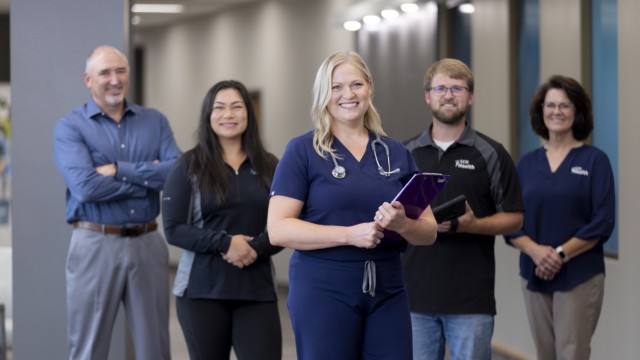


Diabetes in Rural Minnesota: Why Screening Matters
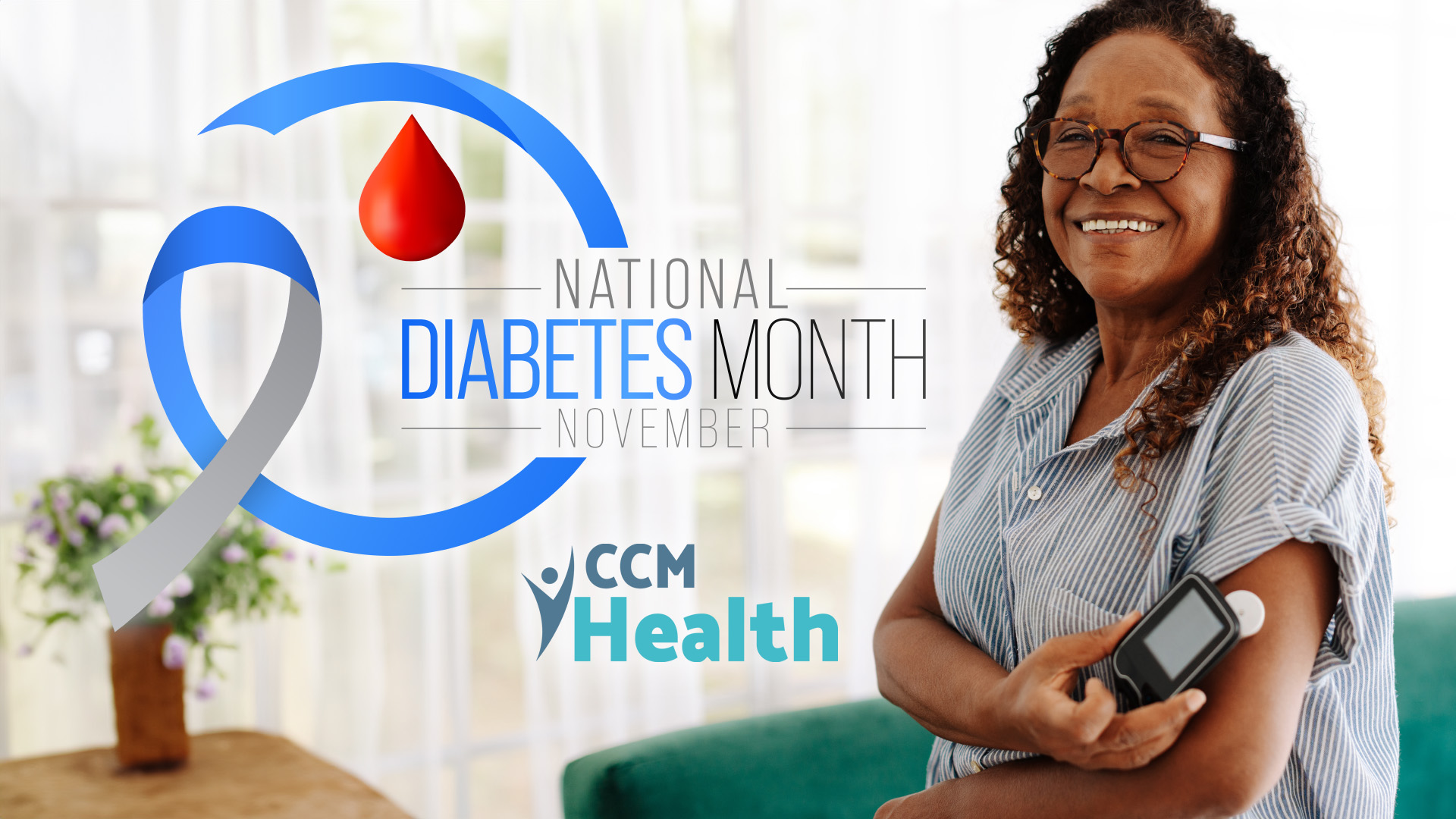
Diabetes in Rural Minnesota: Why Screening Matters
Living rural raises the odds
If you live in rural Minnesota, your risk of diabetes is likely higher than it would be in the Twin Cities. Research published by the CDC reports that diabetes is 9% to 17% more common in rural areas than in urban ones.
The gap shows up close to home. A 2025 CDC study found that 10.7% of adults in rural Minnesota counties have been diagnosed with diabetes, compared with 8.8% in the state’s urban counties.
And those figures only count people who know they have it. Researchers note that undiagnosed diabetes may be even more common in rural areas, where longer drives, fewer providers and limited resources can make care harder to reach.
Who is at risk?
The CDC study points to common risk factors that help explain why rural communities see more diabetes. Some you can’t change; others you can.
- Age. Risk climbs as we get older. Nationally, about 2.4% of adults ages 18 to 44 have diabetes, compared with 20.6% of adults 75 and older. Rural residents tend to be older on average.
- Sex. Men have higher rates of diabetes than women.
- Race and ethnicity. Black, Hispanic, American Indian and Asian American adults face a higher risk of type 2 diabetes.
- Weight. Obesity is one of the strongest risk factors. In the CDC study, 35% of rural adults were obese, compared with about 30% of urban adults.
- Income and education. Lower household income and fewer years of schooling are linked to higher rates of diabetes.
- Family history. Having a parent, brother or sister with diabetes raises your risk.
- Physical inactivity. Being active fewer than three times a week increases risk.
- Prediabetes or gestational diabetes. Higher-than-normal blood sugar, or diabetes during a past pregnancy, are warning signs for type 2 diabetes later.
Why getting checked matters
Type 2 diabetes often develops slowly and quietly. Many people feel fine for years while high blood sugar damages their heart, kidneys, nerves and eyes. Diabetes is a major contributor to heart disease, kidney failure, stroke and vision loss.
A simple blood glucose test can catch diabetes or prediabetes early, when lifestyle changes and treatment work best. Prediabetes can often be reversed with healthier eating, more activity and modest weight loss.
“Diabetes doesn’t always announce itself. Many of the people I meet had no idea their blood sugar was high until a routine screening caught it,” said Wendy Augeson, APRN, CNP, CDCES, Diabetes Nurse Educator at CCM Health. “A quick check today can prevent serious complications down the road. If you have any risk factors, or if it’s simply been a while, I encourage you to get screened. Finding it early gives you the most options.”
If you are 35 or older, are overweight, or have any of the risk factors above, talk with your provider about how often you should be tested.
CCM Health Diabetes Education is here to help
You don’t have to drive far for expert diabetes support. The CCM Health Diabetes Education program is recognized by the American Diabetes Association and offers patients the care they need right in Montevideo.
Our team helps with:
- Type 1 and type 2 diabetes
- Prediabetes
- Continuous glucose monitoring
- Gestational diabetes
- Insulin pump therapy
- Preventing complications
- Medical nutrition therapy, including weight management and heart health
Services are covered by most insurance plans, Medicaid and Medicare. Telehealth video visits are available for nutrition consults and follow-ups. Learn more at ccmhealthmn.com/service/diabetes-education or call (320) 269-8877.
Join us for a free Diabetes Education Open House
November is National Diabetes Awareness Month. To mark it, the CCM Health Diabetes Education department is hosting a free open house for the community.
- When: Thursday, November 19, 10:30 a.m. to 2:00 p.m.
- Where: Main lobby, CCM Health-Montevideo
- What: Free blood glucose screenings and educational handouts
- Cost: Free and open to the public. No appointment needed.
Stop by, get checked and ask our diabetes educators your questions. It only takes a few minutes, and it could make a lifelong difference.